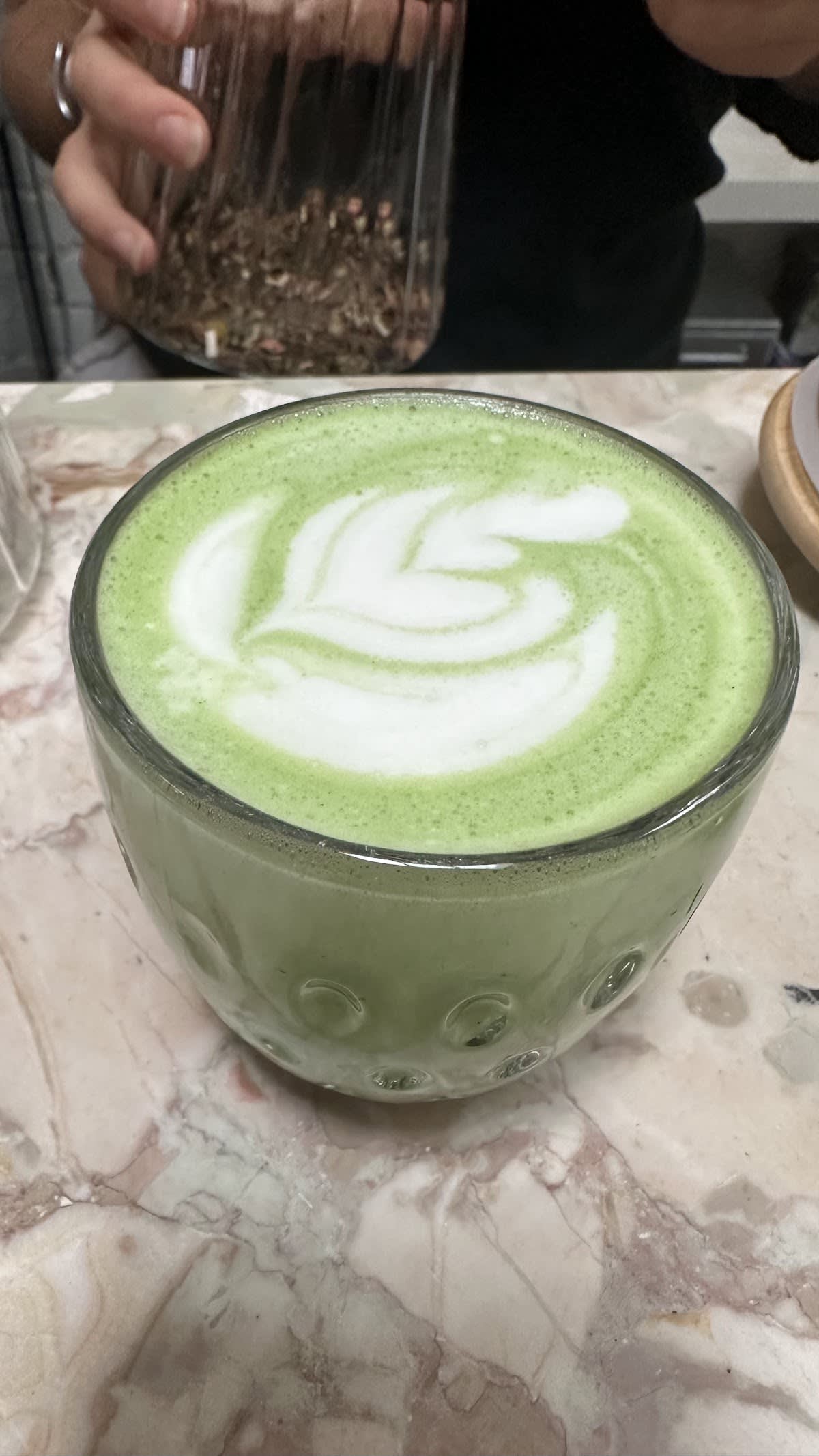
Ceremonial vs. Culinary Grade Matcha Explained
Understanding the real differences between matcha grades and when to use each type.
Ceremonial vs. Culinary Grade Matcha Explained
Walk into any tea shop and you'll face a confusing array of matcha options at wildly different prices. Understanding the difference between grades helps you choose the right matcha for your needs - and your budget.
The Grade System
The matcha industry uses a grade system that's not officially standardized but widely recognized:
- Ceremonial Grade - Highest quality, for traditional tea drinking
- Premium Grade - High quality, suitable for lattes
- Culinary Grade - Lower quality, for cooking and baking
- Ingredient Grade - Lowest quality, industrial use
Today we're focusing on the two you'll encounter most: ceremonial and culinary.
Ceremonial Grade Matcha
What Makes It Special?
Ceremonial grade matcha comes from the first harvest (first flush) of young tea leaves, specifically from the top of the plant. These leaves are:
- Shaded for 3-4 weeks before harvest (increases chlorophyll and L-theanine)
- Handpicked by skilled workers
- Steamed immediately to preserve freshness
- Carefully deveined (only the tender leaf flesh is used)
- Stone-ground in small batches
Characteristics
Color: Vibrant, bright green (almost neon) Texture: Extremely fine, silky powder Taste: Sweet, umami-rich, minimal bitterness Aroma: Fresh, vegetal, slightly sweet Foam: Dense, creamy microfoam when whisked
Best Uses
- Traditional tea ceremony
- Pure matcha (whisked with just water)
- High-end lattes where matcha flavor is prominent
- When you want to truly taste the matcha itself
Price Range
Expect to pay:
- $25-40 per ounce (30g)
- $0.80-$1.30 per serving
- $40-120 for a 100g tin
Culinary Grade Matcha
What's Different?
Culinary grade typically comes from later harvests (second or third flush) and uses leaves from lower on the plant. The processing:
- Less shading (or no shading)
- Often machine-harvested
- May include stems (which are ground in)
- Sometimes blended from multiple harvests
- More efficiently processed
Characteristics
Color: Duller green, sometimes yellowish Texture: Coarser powder Taste: More bitter, astringent, less sweet Aroma: Hay-like, earthy Foam: Thinner, less stable when whisked
Best Uses
- Smoothies and protein shakes
- Baking (cakes, cookies, muffins)
- Cooking (sauces, ice cream, pasta)
- Iced lattes with strong sweeteners
- When matcha is mixed with many other flavors
Price Range
Expect to pay:
- $8-20 per ounce
- $0.25-$0.65 per serving
- $15-40 for a 100g tin
Side-by-Side Comparison
| Feature | Ceremonial | Culinary | |---------|-----------|----------| | Harvest | First flush, top leaves | Later flushes, lower leaves | | Shading | 3-4 weeks | Minimal or none | | Processing | Handpicked, deveined | Machine-harvested, stems included | | Color | Vibrant green | Dull green/yellow | | Taste | Sweet, umami | Bitter, astringent | | Best for | Drinking plain | Cooking/baking | | Price | $25-40/oz | $8-20/oz | | Storage life | 6-12 months | 12-18 months |
The "Premium" Middle Ground
Many brands now offer a "premium" or "café grade" between ceremonial and culinary:
- Good enough to drink as a latte
- Less expensive than ceremonial
- Better quality than culinary
- Perfect for daily matcha lattes at home
This is often the sweet spot for regular matcha drinkers. You get good flavor without ceremonial prices.
Quality Indicators
Regardless of grade label, look for these signs of quality:
Good Matcha
✅ Bright green color ✅ Fine, silky texture ✅ Sweet aroma ✅ No clumps ✅ Clearly marked origin (preferably from Japan) ✅ Recent harvest date ✅ Stored in airtight, opaque container
Poor Matcha
❌ Brown or yellow tint ❌ Gritty texture ❌ Musty or hay-like smell ❌ Clumpy or hard to sift ❌ No origin information ❌ No date or old date (over 1 year) ❌ Clear packaging (light degrades matcha)
Common Misconceptions
"All Japanese matcha is ceremonial grade" False. Japan produces matcha at all grade levels. Origin doesn't guarantee quality.
"Ceremonial grade must be organic" Not necessarily. "Ceremonial" refers to quality and intended use, not growing methods. You can find both organic and conventional ceremonial grade.
"Culinary grade is low quality" Not exactly. It's lower quality than ceremonial, but good culinary grade still has its place. It's appropriate for its intended use - cooking and baking.
"Expensive matcha is always better" Usually, but not always. Some brands overcharge. Research the producer and read reviews.
Which Should You Buy?
Choose Ceremonial Grade If:
- You drink matcha traditionally (just water)
- You want to taste pure matcha flavor
- You're making special occasion drinks
- Budget isn't your primary concern
- You drink matcha for meditation/ritual
Choose Premium/Café Grade If:
- You primarily make matcha lattes
- You drink matcha daily
- You want good quality at reasonable prices
- You're new to matcha (don't invest heavily yet)
Choose Culinary Grade If:
- You're baking or cooking with matcha
- You're making smoothies with many ingredients
- You need large quantities for recipes
- Cost is primary consideration
- Matcha is one of many flavors in your drink
Storage Tips
All grades of matcha degrade with:
- Light exposure
- Heat
- Oxygen
- Time
Proper storage for any grade:
- Keep in original airtight container
- Store in refrigerator (not freezer)
- Use within 6-12 months of opening
- Always seal immediately after use
- Let come to room temperature before opening (prevents condensation)
The Bottom Line
There's no "right" grade - only right for your use case. Ceremonial is objectively higher quality, but if you're making a chocolate matcha smoothie with banana and peanut butter, you'll never taste the difference from culinary grade.
Think of it like olive oil: You use extra virgin for dipping bread and dressing salads, but regular olive oil works fine for sautéing. Same principle with matcha.
Buy ceremonial when the matcha is the star. Buy culinary when matcha plays a supporting role. And consider premium/café grade as your daily driver.
Your taste buds - and your wallet - will thank you for choosing appropriately.
Share this article
This article was created with AI assistance and reviewed by the Matcha Maps editorial team. Learn more about how we create content.
Want the tea? ☕
Get matcha news delivered to your inbox
No spam, just matcha. Unsubscribe anytime.