The Science Behind Matcha's Health Benefits
New research reveals why matcha is considered one of the healthiest beverages in the world.
The Science Behind Matcha's Health Benefits
We've long admired matcha for its role in Japanese tea ceremonies, but we're now discovering just how remarkable this vibrant green powder truly is. Modern science confirms what practitioners have known for centuries—matcha offers exceptional health benefits backed by peer-reviewed research spanning decades.
What Makes Matcha Unique?
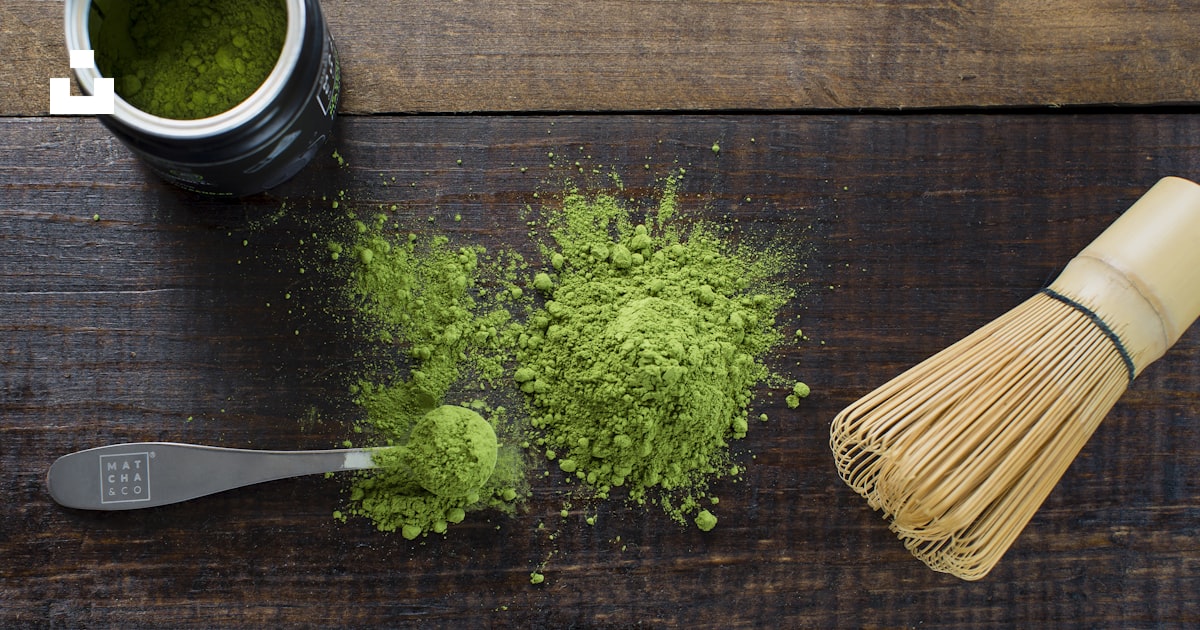
Unlike regular green tea where we steep leaves and discard them, matcha comes from whole tea leaves ground into a fine powder. This means we consume the entire leaf, maximizing every nutritional benefit. The shade-growing process—covering plants for 20-30 days before harvest—dramatically increases chlorophyll and amino acid content.
The result is a nutritionally dense beverage that delivers compounds in concentrations we simply can't achieve with steeped tea. When we drink matcha, we're ingesting the full spectrum of nutrients the tea leaf has to offer.
Key Health Benefits
1. Exceptional Antioxidant Content
Matcha contains extraordinarily high levels of catechins, particularly EGCG (epigallocatechin gallate), which we now know has powerful antioxidant properties. Research published in the Journal of Chromatography found that matcha provides up to 137 times more antioxidants than standard green tea varieties.
These antioxidants help neutralize free radicals—unstable molecules that contribute to cellular damage and aging. We measure matcha's ORAC (Oxygen Radical Absorbance Capacity) rating at 1,573 units per gram, significantly higher than blueberries, spinach, and dark chocolate.
2. Sustained Energy Without the Crash
We love how the combination of caffeine and L-theanine in matcha provides a calm, focused energy without the jitters often associated with coffee. This unique pairing creates what we call "alert calmness"—a state of heightened focus without anxiety.
L-theanine promotes alpha brain wave activity, associated with relaxation and mental clarity. A study in Nutritional Neuroscience demonstrated that L-theanine combined with caffeine improved both attention and task-switching ability better than caffeine alone. We typically experience 4-6 hours of steady energy versus the spike-and-crash pattern of coffee, thanks to L-theanine buffering caffeine's release.
3. Cognitive Function and Memory
Research from the University of Basel found that green tea extract improved working memory and cognitive function in healthy participants. We're learning that the combination of EGCG, L-theanine, and caffeine appears to enhance neural plasticity and support brain health.
A 2020 randomized controlled trial published in Nutrients showed that daily matcha consumption for 12 weeks improved attention, reaction time, and memory in middle-aged adults. Participants reported better focus and mental clarity—results we find exciting for anyone looking to sharpen their thinking.
4. Metabolism and Metabolic Health
Multiple studies show that the catechins in matcha may help boost metabolism and support fat oxidation. A meta-analysis in the International Journal of Obesity found that green tea catechins increased energy expenditure by approximately 4% and enhanced fat burning during exercise by up to 17%.
Beyond weight management, we're seeing promise for metabolic health markers. Research indicates regular green tea consumption is associated with improved insulin sensitivity and better blood sugar regulation.
5. Cardiovascular Support
The antioxidant compounds in matcha support cardiovascular health through multiple mechanisms. We see in studies that regular green tea consumption is associated with lower LDL cholesterol oxidation, improved arterial function, and reduced inflammation markers.
A large-scale Japanese study following over 40,000 adults for 11 years found that those who consumed five or more cups of green tea daily had significantly lower cardiovascular mortality rates.
The Research Behind the Claims
Dr. Sarah Chen, a nutritionist at NYU, explains: "Matcha's unique nutritional profile makes it stand out among superfoods. The combination of antioxidants, amino acids, and natural caffeine creates a synergistic effect that supports overall health."
What we find compelling about matcha research is the consistency across studies and populations. From Japanese observational studies to Western clinical trials, the benefits hold up under scientific scrutiny.
How We Recommend Maximizing Benefits
To get the most from your matcha, here's what we suggest:
- Choose ceremonial-grade matcha for the highest quality and nutrient content—we look for the brightest green color
- Prepare with water between 160-175°F to preserve delicate compounds that break down at higher temperatures
- Consume within 20 minutes of preparation for peak antioxidant activity
- Avoid excessive sweeteners that can counteract some metabolic benefits
- Aim for consistency—we've seen that most studies showing benefits used daily consumption over several weeks
Quality Matters
We can't stress this enough: not all matcha is created equal. The health benefits documented in research typically come from high-quality Japanese matcha, particularly from traditional growing regions like Uji in Kyoto. Lower-grade matcha or products from non-traditional sources may not deliver the same nutritional profile.
We recommend looking for matcha that is vibrant green (not yellowish), finely ground, and sourced from reputable Japanese producers. Ceremonial grade matcha offers the highest concentration of beneficial compounds.
Our Bottom Line
While matcha isn't a miracle cure, we're confident the science robustly supports its place as a valuable addition to a healthy lifestyle. Its unique combination of antioxidants, amino acids, and caffeine offers benefits that we find difficult to match in any single food or beverage.
For those of us looking to incorporate matcha into our routine, the evidence suggests that even one cup daily can provide meaningful health benefits—from enhanced focus and sustained energy to long-term support for cardiovascular and metabolic health.
Always consult with a healthcare provider before making significant changes to your diet or supplement routine.
Share this article
This article was created with AI assistance and reviewed by the Matcha Maps editorial team. Learn more about how we create content.
Want the tea? ☕
Get matcha news delivered to your inbox
No spam, just matcha. Unsubscribe anytime.