Building Atlanta's Matcha Scene: A Conversation with Dancing Goats Coffee
How Atlanta's pioneering specialty coffee roaster evolved to embrace matcha while maintaining their commitment to quality and community.
Building Atlanta's Matcha Scene: A Conversation with Dancing Goats Coffee
For over three decades, Dancing Goats Coffee has defined Atlanta's specialty coffee culture. With locations at Ponce City Market, Midtown, and Emory Village, the local roastery introduced Atlantans to third-wave coffee long before it became mainstream. Now they're applying the same quality-first philosophy to matcha, helping shape Atlanta's emergence as a major tea city.
We sat down with the team to discuss Atlanta's matcha evolution, the challenges of sourcing quality tea, and why specialty coffee expertise translates perfectly to ceremonial-grade matcha.
How did Dancing Goats first approach matcha?
"We've always listened to what our community wants," the team explains. "Around 2018, we started getting consistent requests for quality matcha—not just as a trendy latte flavor, but from customers who understood ceremonial-grade tea and wanted it prepared properly. These weren't casual requests. People were asking about sourcing regions, organic certification, and whether we stone-ground our powder."
That sophistication didn't surprise them. "Our customers spent years learning about Ethiopian Yirgacheffe versus Colombian beans, understanding how terroir affects coffee. Those same people immediately grasp why Japanese matcha requires the same attention to origin, processing, and preparation. The educational foundation we built around coffee created the perfect matcha customer."
What challenges did you face sourcing quality matcha?
"The supply chain complexity rivals specialty coffee," they note. "We needed direct relationships with Japanese tea farms, proper cold storage to preserve delicate chlorophyll, and staff training in traditional preparation methods. Fortunately, the infrastructure we built for coffee translated directly."
Their importers who sourced Colombian beans also worked with Japanese tea gardens. Storage facilities that preserved coffee oils could maintain matcha quality. Even barista training carried over—"If you understand why 200°F water ruins espresso, you grasp why 175°F maximum preserves matcha's amino acids and prevents bitterness."
The team emphasizes ethical sourcing parallels: "We built Dancing Goats on direct trade relationships where farmers receive fair compensation. We apply identical principles to matcha—organic certification, transparent pricing, long-term partnerships with tea gardens in Uji and Kyoto regions."
How has Atlanta's matcha scene changed since you started?
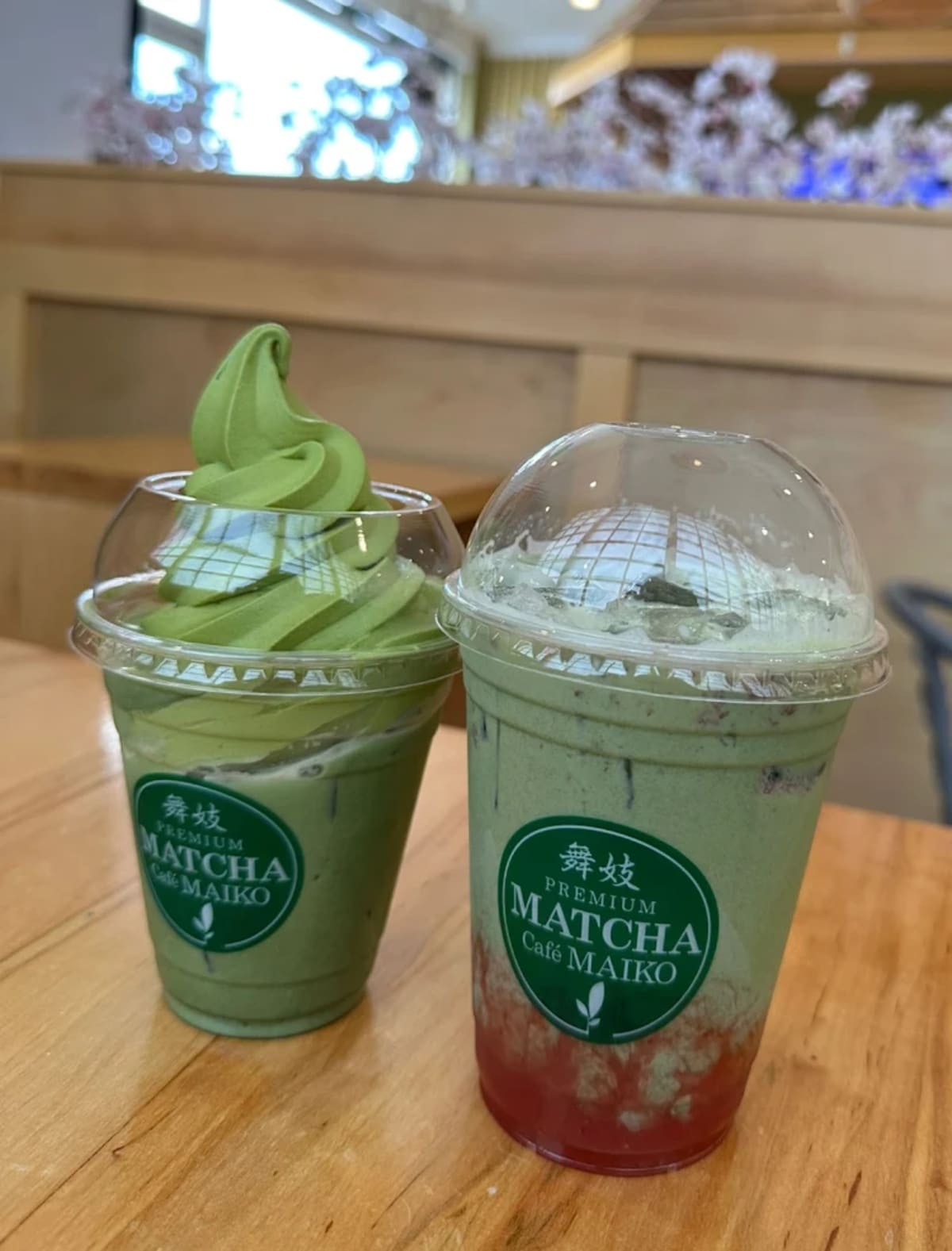
"The growth surprises even us," they admit. "When we added matcha in 2018, maybe five Atlanta cafés offered ceremonial-grade quality. Now there are dedicated tea houses like Matcha Cafe Maiko and Wai's Gong Fu Tea House, plus wellness destinations like E+ROSE that center entire concepts around premium matcha."
What excites them most is authenticity. "Atlanta's Asian diaspora community keeps standards high. You can't serve mediocre matcha and call it ceremonial-grade—customers know the difference. This cultural authenticity prevents the watered-down interpretations we see in markets without that touchstone."
They also credit specialty coffee culture: "Atlanta spent decades learning that quality costs more and that's okay. Nobody blinks at $7 ceremonial matcha lattes because we normalized premium pricing for expertly crafted beverages. That cultural foundation accelerates matcha adoption."
What makes Atlanta different from other matcha markets?
"Southern hospitality," they respond immediately. "Coastal markets sometimes make specialty beverages feel exclusive or intimidating. Atlanta combines high standards with genuine welcome. We want people to try matcha for the first time and feel supported, not judged."
They point to their Ponce City Market location as an example. "We serve serious coffee enthusiasts who travel internationally for beans, but also tourists visiting Atlanta for the first time. Both get the same quality matcha and the same warm service. That accessibility—quality without pretension—defines Atlanta's matcha culture."
The neighborhood diversity matters too. "Each Dancing Goats location serves a different community with distinct needs. Ponce City Market attracts tourists and locals exploring Old Fourth Ward. Midtown draws remote workers and third-wave coffee devotees. Emory serves students and faculty. Matcha fits naturally into all these contexts because Atlanta's neighborhoods support diverse beverage cultures simultaneously."
What advice would you give other cities developing matcha scenes?
"Invest in education," they emphasize. "Don't just add matcha to your menu—teach customers about ceremonial versus culinary grades, explain why sourcing matters, demonstrate proper whisking technique. The time we spent educating Atlanta about specialty coffee created consumers who now demand quality matcha."
They also stress infrastructure importance: "You can't build sustainable matcha culture without supply chains, storage protocols, and trained staff. That takes years to develop. Atlanta's matcha scene didn't appear overnight—it emerged because we spent thirty years building specialty beverage infrastructure that supports both coffee and tea."
Finally, community focus: "Make your café a neighborhood gathering place, not just a retail business. When customers feel connected to your space and values, they trust you to introduce new experiences. Our community asked for matcha because they knew we'd approach it with the same integrity we bring to coffee."
Looking Forward
As Atlanta's matcha scene continues expanding, Dancing Goats remains committed to the principles that built their coffee reputation: quality sourcing, expert preparation, community focus, and genuine Southern hospitality. Their evolution from coffee pioneer to matcha leader demonstrates how specialty beverage expertise transcends categories—what matters is craft, care, and connection.
"We're excited to see where Atlanta's matcha culture goes," they conclude. "The foundation is strong, the community is engaged, and the quality keeps improving. We're proud to be part of that story."
Visit: Dancing Goats Ponce City Market | Midtown | Emory
Share this article
This article was created with AI assistance and reviewed by the Matcha Maps editorial team. Learn more about how we create content.
Want the tea? ☕
Get matcha news delivered to your inbox
No spam, just matcha. Unsubscribe anytime.