The SF Matcha Scene: What to Know Before You Order
Whether you're after a traditional whisked bowl or a creamy oat milk latte, here's how to navigate San Francisco's thriving matcha culture.
The SF Matcha Scene: What to Know Before You Order
If you've spent any time exploring San Francisco's café culture, you've probably noticed—matcha is everywhere. From traditional Japantown tea rooms to Mission District cafés serving elaborate latte art, the city has fully embraced this vibrant green tea. But walking into a matcha shop for the first time can feel a bit overwhelming. Do you want ceremonial or culinary grade? Hot or iced? Traditional or modern?
We've been there. Here's what we wish we knew before our first matcha order in SF.
The Basics (That Actually Matter)
Matcha isn't just green tea—it's the whole tea leaf, stone-ground into a fine powder. When you drink it, you're consuming the entire leaf rather than an infusion. That's why matcha delivers such a concentrated flavor and why quality varies so dramatically between sources.
In San Francisco, you'll encounter a few standard preparations:
- Traditional usucha: Just matcha and hot water, whisked until frothy. This is how it's served in tea ceremonies.
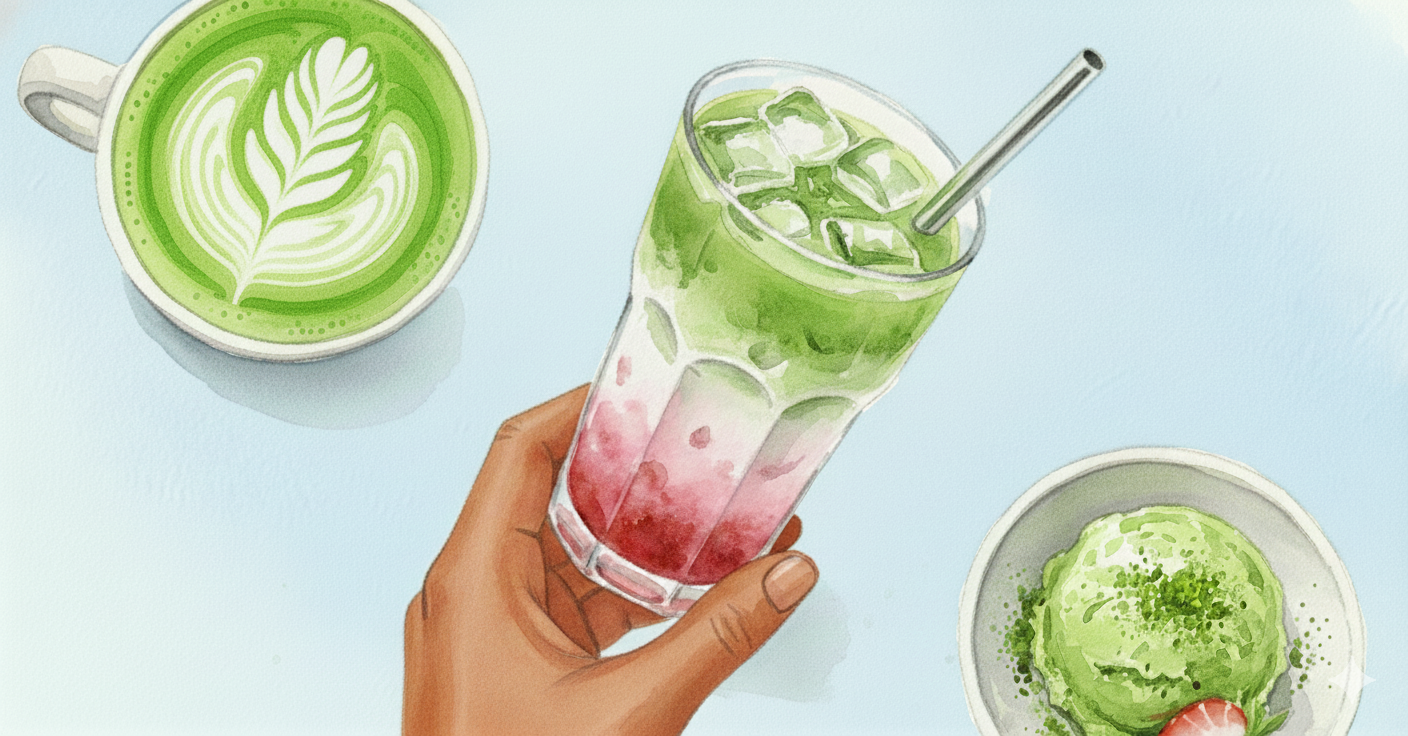
- Matcha latte: The crowd favorite—matcha combined with steamed milk (oat milk is especially popular here).
- Iced matcha: Shaken or stirred over ice, sometimes with milk.
- Matcha soft serve: Creamy, cold, and a great entry point if you're matcha-curious.
Understanding Grade: It's Not Just Marketing
You'll hear shops talk about "ceremonial grade" versus "culinary grade" matcha. This actually matters, especially if you're drinking it straight.
Ceremonial grade comes from the youngest, most tender tea leaves. It's naturally sweeter, less bitter, and has that vibrant emerald color you see on Instagram. This is what traditional tea rooms like Kissako Tea in Japantown use for their preparations.
Culinary grade works fine in sweetened lattes where other flavors mask the bitterness, but you'll definitely notice the difference in a traditional preparation. It tends to taste more astringent and has a duller, olive-green color.
The good news: most dedicated matcha spots in SF use ceremonial grade across their menu. Matcha Cafe Maiko sources high-quality powder from Kyoto, and you can taste the difference.
Ordering at Traditional Tea Rooms
If you're visiting somewhere like Kissako Tea in Japantown, the experience is a bit different from your average café run. These spaces are designed for slowing down.
A few things that helped us:
Ask about their process. Some shops offer abbreviated tea ceremony demonstrations. Even if you're just grabbing a quick drink, understanding the traditional preparation adds context to what you're tasting.
Try it traditional first. Order the usucha (thin tea) without additions. Yes, it might taste more bitter than you expect. That's okay. It's meant to be savored with a small sweet (wagashi) that balances the flavor.
Don't rush. Traditional matcha service isn't designed for takeaway cups and hustle. If you have time, stay and sit.
The Modern Café Approach
At spots like Boba Guys Fillmore or newer cafés around the city, ordering is more casual—and there's absolutely nothing wrong with that.
Here's how to customize your order:
Choose your base: Hot latte, iced latte, straight matcha, or blended drink. Most people start with an iced matcha latte.
Pick your milk: Oat milk has basically taken over SF's café scene for good reason—its creaminess complements matcha's grassy notes. But whole milk, almond, and soy all work too.
Specify sweetness: If the shop asks, "medium" is a safe starting point. You can always adjust next time. Traditional preparations are unsweetened, but lattes usually have some vanilla or simple syrup.
Finding Your Neighborhood
San Francisco's matcha culture varies by area:
Japantown is where you'll find the most traditional preparations. Kissako Tea and the shops around Japan Center Mall focus on authenticity and ceremonial-grade quality.
The Mission and Hayes Valley lean into innovation—think matcha with house-made syrups, creative seasonal specials, and Instagram-worthy presentations.
Chinatown offers tea shops like Red Blossom Tea Company where you can buy quality matcha powder to prepare at home. They'll walk you through proper whisking technique if you ask.
The Marina and Fillmore have a mix of everything—modern cafés, boba spots, and specialty tea bars all within walking distance.
Questions We Get Asked
"Is matcha really that caffeinated?"
Yes and no. A typical serving has around 70mg of caffeine—less than coffee but more than regular green tea. The difference is that matcha also contains L-theanine, an amino acid that smooths out the caffeine hit. Most people describe it as "alert but calm" rather than jittery.
"Why is good matcha so expensive?"
Several reasons: the tea plants are shade-grown for weeks before harvest (labor-intensive), only the youngest leaves are picked (low yield), and traditional stone-grinding is slow. High-quality ceremonial grade can run $30-50 per ounce retail.
"Can I just get it without all the sweetener?"
Absolutely. Ask for no sweetener or "unsweetened." Traditional preparations never include sugar. Some of us prefer our lattes that way too—the natural grassiness of quality matcha stands on its own.
A Starting Point
If you're visiting SF and want to explore matcha without overthinking it:
For tradition: Kissako Tea in Japantown. Order the traditional matcha set with wagashi. Take your time.
For accessibility: Any Matcha Cafe Maiko location. Their soft serve is approachable if you're just getting started with the flavor profile.
For a café vibe: An iced matcha latte with oat milk at Boba Guys or one of the newer specialty spots. Medium sweetness. See how it treats you.
For buying powder: Red Blossom Tea Company in Chinatown. They'll help you pick the right grade for your home setup.
The beautiful thing about SF's matcha scene is that there's no single "right" way to enjoy it. Traditional ceremonies and trendy oat milk lattes both have their place. Start wherever you're comfortable and explore from there.
Share this article
This article was created with AI assistance and reviewed by the Matcha Maps editorial team. Learn more about how we create content.
Want the tea? ☕
Get matcha news delivered to your inbox
No spam, just matcha. Unsubscribe anytime.