Matcha in Japantown: 50 Years of Tea Tradition
How San Francisco's Japantown became the West Coast's matcha capital, preserving Japanese tea culture through generations of family businesses and cultural resilience.
Matcha in Japantown: 50 Years of Tea Tradition
San Francisco's Japantown covers just six city blocks, but its influence on West Coast matcha culture spans five decades. From the iconic Japanese Tea Garden's 1894 tea house to today's modern matcha cafes, this historic neighborhood has served as guardian and innovator of Japanese tea traditions in America.
A Cultural Anchor Since 1906
Japanese immigrants first established tea culture in San Francisco in the early 1900s, clustered around what would become Japantown. The 1906 earthquake destroyed much of the original settlement, but the community rebuilt—and tea houses were among the first businesses to reopen.
"Tea wasn't just a beverage," explains historian Dr. Lisa Nakamura. "It was cultural continuity. When everything else was destroyed, the ritual of preparing tea connected people to home."
The Japanese Tea Garden in Golden Gate Park became an early cultural landmark. Built for the 1894 California Midwinter International Exposition, its tea house introduced thousands of San Franciscans to authentic Japanese tea service. By the 1920s, the garden's ceremonial matcha service had become a must-do experience for tourists and locals alike.
Survival Through Hardship
World War II nearly erased Japantown entirely. When Executive Order 9066 forced Japanese Americans into internment camps in 1942, businesses shuttered, properties were seized, and a thriving cultural district went dark. Of the estimated 5,000 Japanese Americans living in the Western Addition before the war, fewer than half returned.
But those who came back were determined to rebuild. The 1960s saw Japantown's renaissance, anchored by the Japan Center mall complex that opened in 1968. Tea shops were among the first tenants—not as tourist attractions, but as essential cultural spaces for a community reclaiming its identity.
"My grandmother opened our tea shop in 1972," says third-generation tea merchant Kevin Tanaka, whose family has operated in Japantown for over 50 years. "She said Americans were starting to discover green tea, and someone needed to teach them the right way. Not just how to brew it, but why it matters."
The Matcha Evolution
For decades, Japantown's tea culture remained relatively unknown outside the Japanese American community. That began changing in the 1990s as California's health food movement discovered matcha's antioxidant properties. Suddenly, the ceremonial tea powder that Japantown had been serving for generations became the next superfood trend.
"We went from selling maybe five matcha lattes a week to fifty a day," recalls longtime Japantown cafe manager Patricia Wong. "People were discovering what we'd known all along—matcha tastes good and makes you feel good."
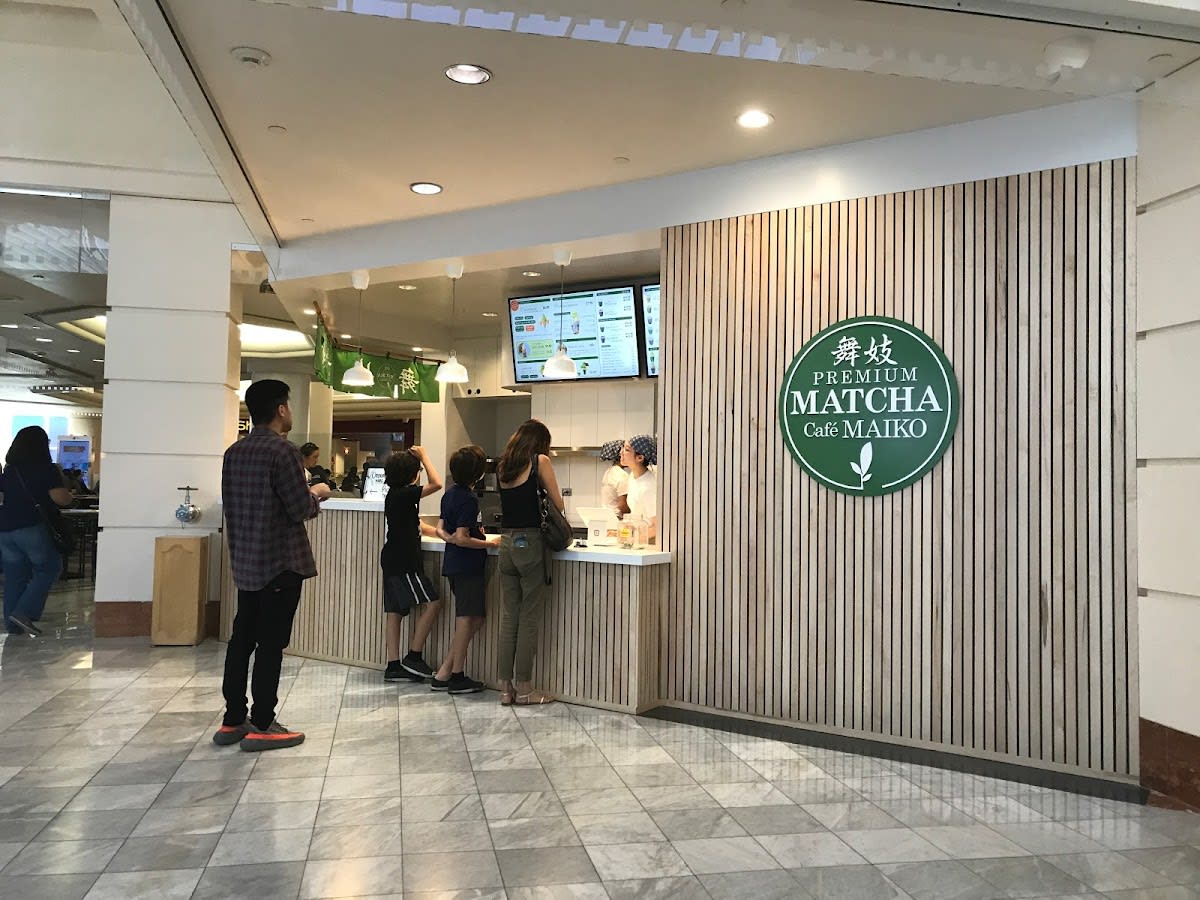
But Japantown's tea shops didn't chase trends. Instead, they doubled down on authenticity. When Kissako Tea opened in 2008, it focused exclusively on traditional tea ceremonies, even as matcha lattes dominated cafe menus citywide. Matcha Cafe Maiko, arriving in 2015, imported premium Kyoto matcha and traditional preparation tools, maintaining Japanese quality standards rather than adapting to American tastes.
"We could have simplified things, used culinary-grade powder, made drinks sweeter," says Matcha Cafe Maiko manager Yuki Sato. "But then we wouldn't be honoring our heritage. Japantown exists to preserve Japanese culture, not dilute it."
Three Generations of Tea Masters
The true guardians of Japantown's matcha tradition are its multi-generational family businesses. At Red Blossom Tea Company on Grant Avenue (technically Chinatown but deeply connected to Japantown's Japanese tea community), fourth-generation tea merchant Alice Luong curates Japanese teas her family has been importing since 1985.
"My grandfather started with Chinese teas, but my father fell in love with Japanese tea culture," Luong explains. "The precision, the seasonality, the way every harvest is different—it's like wine. You can study it forever and still discover something new."
These family businesses serve a crucial role: they're the bridge between Japan's tea farms and American consumers. When ceremonial-grade matcha from Uji or gyokuro from Yame arrives in San Francisco, it almost always passes through Japantown first.
The New Generation
Today's Japantown matcha scene blends tradition with innovation. Boba Guys Fillmore brings premium matcha to the boba tea format, using organic ingredients and house-made syrups while maintaining respect for tea quality. Kiss of Matcha offers matcha soft serve alongside traditional whisked bowls, meeting customers where they are while maintaining ceremonial-grade standards.
"My parents thought soft serve was too casual for real matcha," admits Kiss of Matcha owner Jennifer Kim. "But we use the same Kyoto powder in our soft serve as we do in our lattes. It's about making authentic matcha accessible, not watering it down."
This generational dialogue defines modern Japantown. Elder tea masters worry about over-commercialization. Younger entrepreneurs argue that adaptation ensures survival. But both sides agree: quality cannot be compromised.
More Than Matcha
Understanding Japantown's matcha culture requires understanding what the neighborhood represents. This isn't just a historic district—it's one of only three Japantowns remaining in the United States (the others are in San Jose and Los Angeles). Every business, every cultural event, every bowl of matcha served carries the weight of preservation.
"When you drink matcha in Japantown, you're participating in resistance," says community activist Robert Hamaguchi. "This neighborhood has survived earthquake, internment, urban renewal, gentrification. Every cup of tea says: we're still here, and our culture still matters."
The neighborhood faces ongoing challenges. Rising rents threaten small businesses. The COVID-19 pandemic hit Asian American communities hard. Younger generations sometimes feel torn between preservation and innovation.
Yet Japantown's matcha tradition endures. New shops open respecting the standards set by their predecessors. Third and fourth-generation families pass down sourcing relationships and preparation techniques. And every day, hundreds of visitors discover authentic Japanese tea culture just six blocks from San Francisco's bustling downtown.
A Living Heritage
Visit Japantown's Japan Center on any weekend afternoon and you'll witness this living tradition. At the Japanese Tea Garden's historic tea house, tourists sip matcha from ceramic bowls while koi swim in nearby ponds. A few blocks away at Kissako Tea, a tea master guides participants through a formal ceremony unchanged in five centuries. Down the street, Kiss of Matcha serves matcha soft serve to young families, the children's green-tinted smiles carrying the tradition forward in their own way.
This is Japantown's gift to San Francisco: proof that tradition and innovation can coexist, that quality matters more than trends, and that culture preserved with integrity becomes culture that thrives.
Fifty years after Japantown's post-war rebirth, its matcha tradition stands stronger than ever—not despite the challenges, but because of them. Every sip honors those who fought to keep this culture alive. Every new matcha cafe that opens with respect for quality and authenticity extends the legacy another generation.
The tea ceremony teaches that every moment is once-in-a-lifetime. For Japantown, every bowl of matcha is both an ancient ritual and an act of cultural preservation: traditional culture flourishing in modern America, six blocks that changed how the West Coast understands tea.
Explore Japantown's matcha heritage on the Japantown Matcha Heritage Tour map, featuring eight authentic tea shops spanning traditional ceremonies to modern interpretations. Visit the Japanese Tea Garden at 75 Hagiwara Tea Garden Dr, Golden Gate Park, and Japantown's Japan Center at Post Street and Fillmore Street.
Share this article
This article was created with AI assistance and reviewed by the Matcha Maps editorial team. Learn more about how we create content.
Want the tea? ☕
Get matcha news delivered to your inbox
No spam, just matcha. Unsubscribe anytime.